Conservation
We work for marine biodiversity
Conservation, together with research and education, are the foundations upon which the Seville Aquarium was born. Every day we care for more than 7,000 animals, a great responsibility that gives meaning to the work of the more than 40 staff members at our centre.
Aquariums are not just leisure spaces. We would like you to get to know one of the fundamental values on which we base our work: conservation. Below, we tell you how we collaborate in this task from the aquarium.
Types of projects
At the Seville Aquarium we carry out two types of conservation: that which we carry out in our facilities and that which we develop in the natural environment itself.
In the aquarium
Ex situ conservation
We develop it in our facilities and it consists of different breeding programmes. These programmes are mainly focused on the species that are most threatened in the natural environment.
Animal welfare is another fundamental objective of ex situ conservation. We achieve this through the optimal maintenance of our facilities, the environmental enrichment of the surroundings where the animals are kept, the control of their diet and medical monitoring through veterinary check-ups appropriate to each species.
In the natural environment
In situ conservation
From the Seville Aquarium we also develop conservation programmes in nature itself, which are integrated within the framework of protection and recovery of species and populations in the wild.
Would you like to find out about our conservation projects?
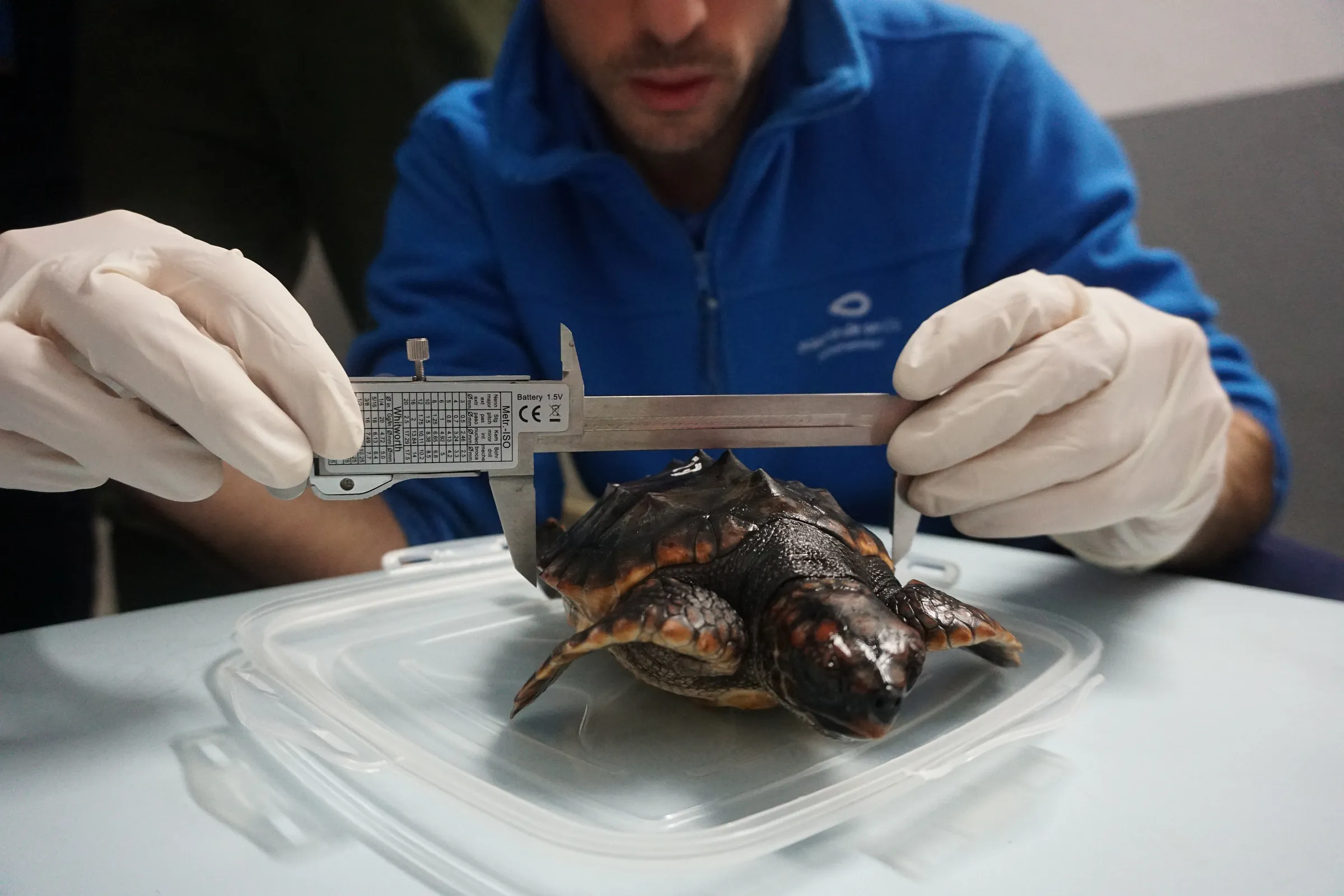
Reproduction and Conservation of Sea Turtles
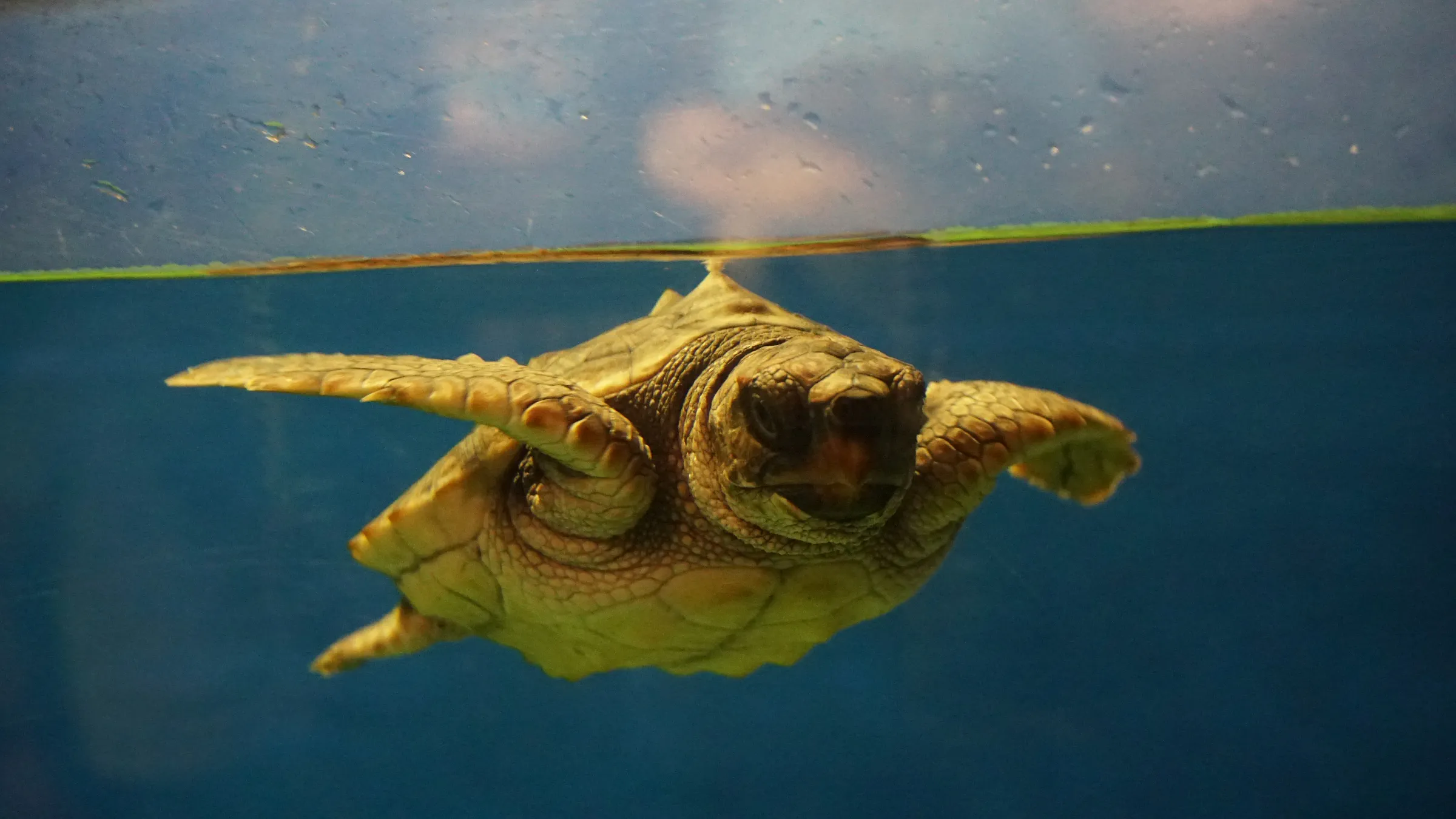
The main conservation project of our centre is sea turtles, the primary foundation on which this centre is based, a species facing many threats that requires everyone's collaboration.
Discover here all the projects we carry out with sea turtles
Guitarfish Research and Conservation Project
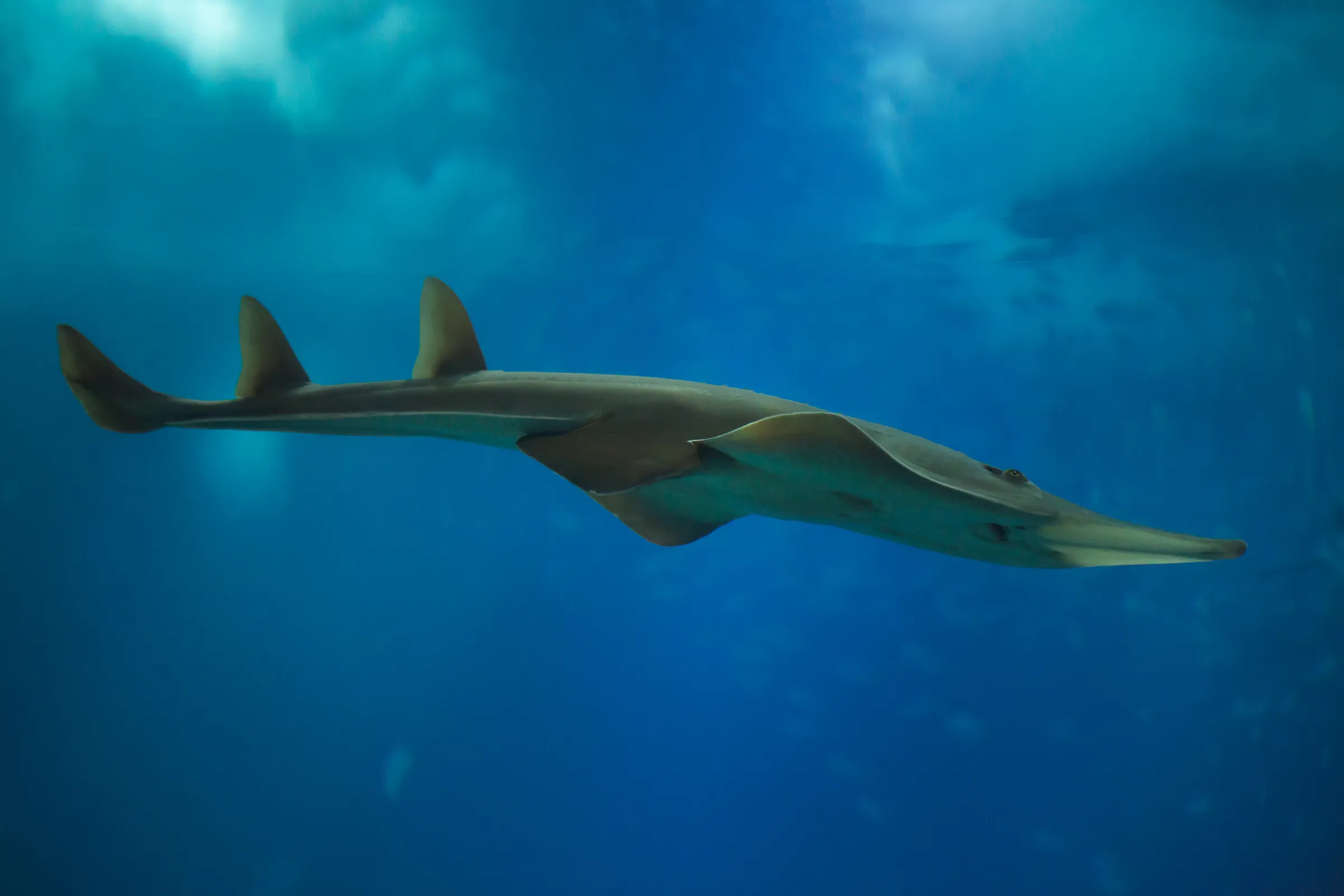
The Glaucostegus Project, a pioneering initiative in Europe for the conservation of the giant guitarfish (Glaucostegus cemiculus), seeks to research and protect one of the most threatened species in our waters, whose last populations in Europe are found on the coasts of Cádiz and Huelva.
The project is the result of collaboration between various entities committed to marine conservation, such as the Seville Aquarium, the Fundación Oceanogràfic, the Fundación Azul Marino, the LAMNA Association, the Institute of Agricultural and Fisheries Training of the Junta de Andalucía (IFAPA), Seashore Fauna&Environment and the Los Corrales de Rota Association, in collaboration with the Doñana Biological Station and the Ministry for Ecological Transition and Demographic Challenge (MITECO)
Research on the orange coral (Astroides calycularis)
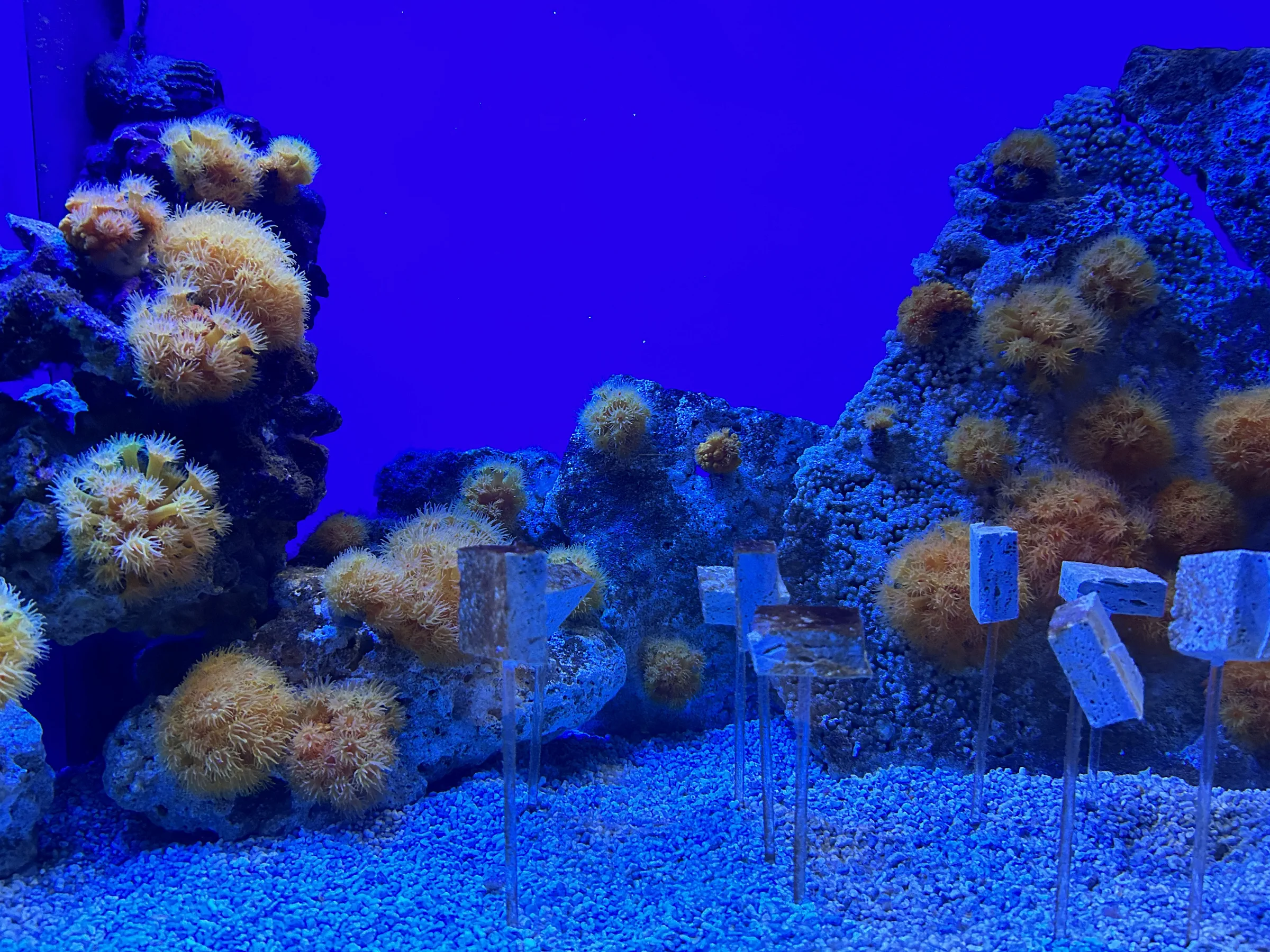
Alliances in conservation projects are indispensable. In this case, the aquarium joins the Marine Biology Laboratory of the University of Seville to participate in a pilot research project: the transfer of Astroides calycularis colonies from the breakwater of the Port of Tarifa to the aquarium. The port is undergoing mandatory restoration works. By transferring, caring for and breeding this threatened species in a controlled environment, we have the possibility of reinstalling them in their habitat once the restoration works are completed.
Reproduction and Conservation of the Salinete (Aphanius baeticus)
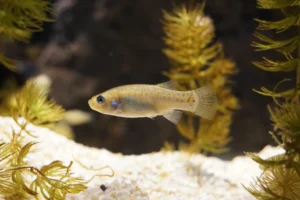
In collaboration with the Department of Sustainability, Environment and Blue Economy (Junta de Andalucía).
A very small fish (listed by the IUCN as critically endangered) but with great value in the Doñana ecosystem.
Find out here about the work we carry out at the aquarium with the Iberian toothcarp
Seahorse Breeding and Conservation – SEAHORSEMED Project
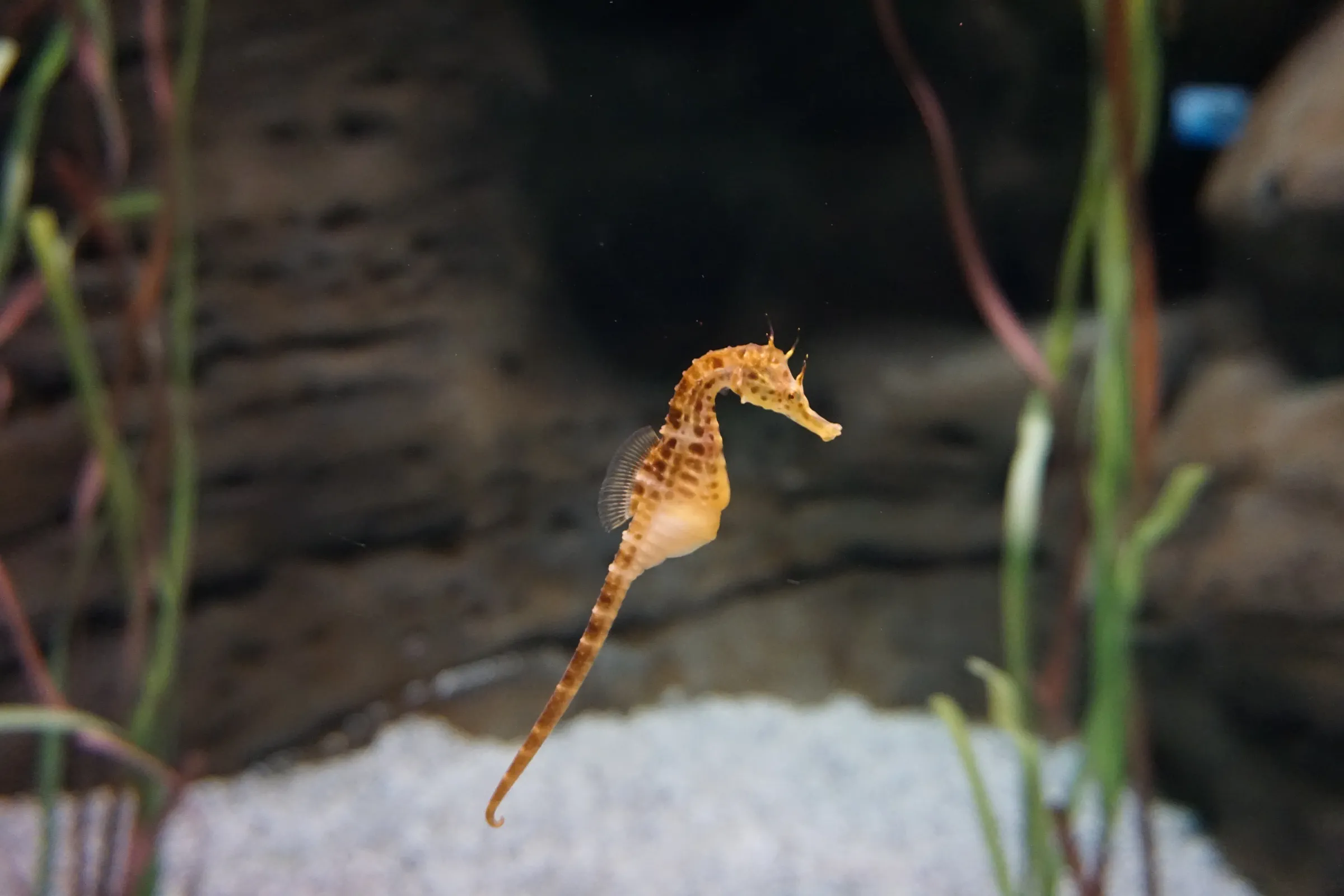
The aquarium is part of the second phase of the project being carried out by the Fundación Aula del Mar Mediterráneo. The overall objective of this project is the conservation of seahorses (Hippocampus hippocampus and Hippocampus guttulatus) in the Mediterranean.
The ex situ study of this project involves obtaining a stable group of breeding specimens, some of which are housed at the Seville Aquarium for the purposes of breeding, genetic studies and the possibility of future reintroductions into the sea.